Microplastics
Material-class model assumption
Silk is recorded as Natural Fiber with no listed microplastic polymer, so it does not add a microplastic-source penalty.

Silk is an animal-origin fiber produced by silk-secreting insects. Satin is a fabric construction or appearance description and is not proof of silk content.
For shirts, scarves and sleepwear, check the silk percentage, lining, care and exact fabric. A polyester satin and a silk satin disclose different fibers.
The EU textile definitions identify silk by its origin. This fiber identity does not certify farming practice, dye or finished-product residue levels.
A silk label does not establish that an item is untreated, suitable for every skin condition or better on every environmental measure.
Reviewed 2026-09-05.
Greener Closet scores the disclosed share using the corresponding MaterialsDB record. Its factor defaults are model assumptions, not product testing, a factory life-cycle assessment or independently validated quantitative calibration.
Silk is recorded as Natural Fiber with no listed microplastic polymer, so it does not add a microplastic-source penalty.
MaterialsDB does not apply a base PFAS penalty to Silk. Product-level water, stain, or performance finishes can still change PFAS risk.
Silk has no persistence penalty in MaterialsDB, which generally reflects better biodegradability than petroleum-based synthetics.
Silk has no default microfiber-shedding penalty in MaterialsDB. Garment construction and laundering still matter.
Silk carries a manufacturing-energy penalty, so production impacts remain part of the score even when microplastic risk is low.
Paste the full fabric label into the homepage checker. A 95% cotton, 5% elastane garment will not score the same as 100% cotton, and the checker handles those percentages.
Use the material-label checker15 visible scored products include Silk.
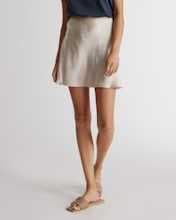
Brand: Quince
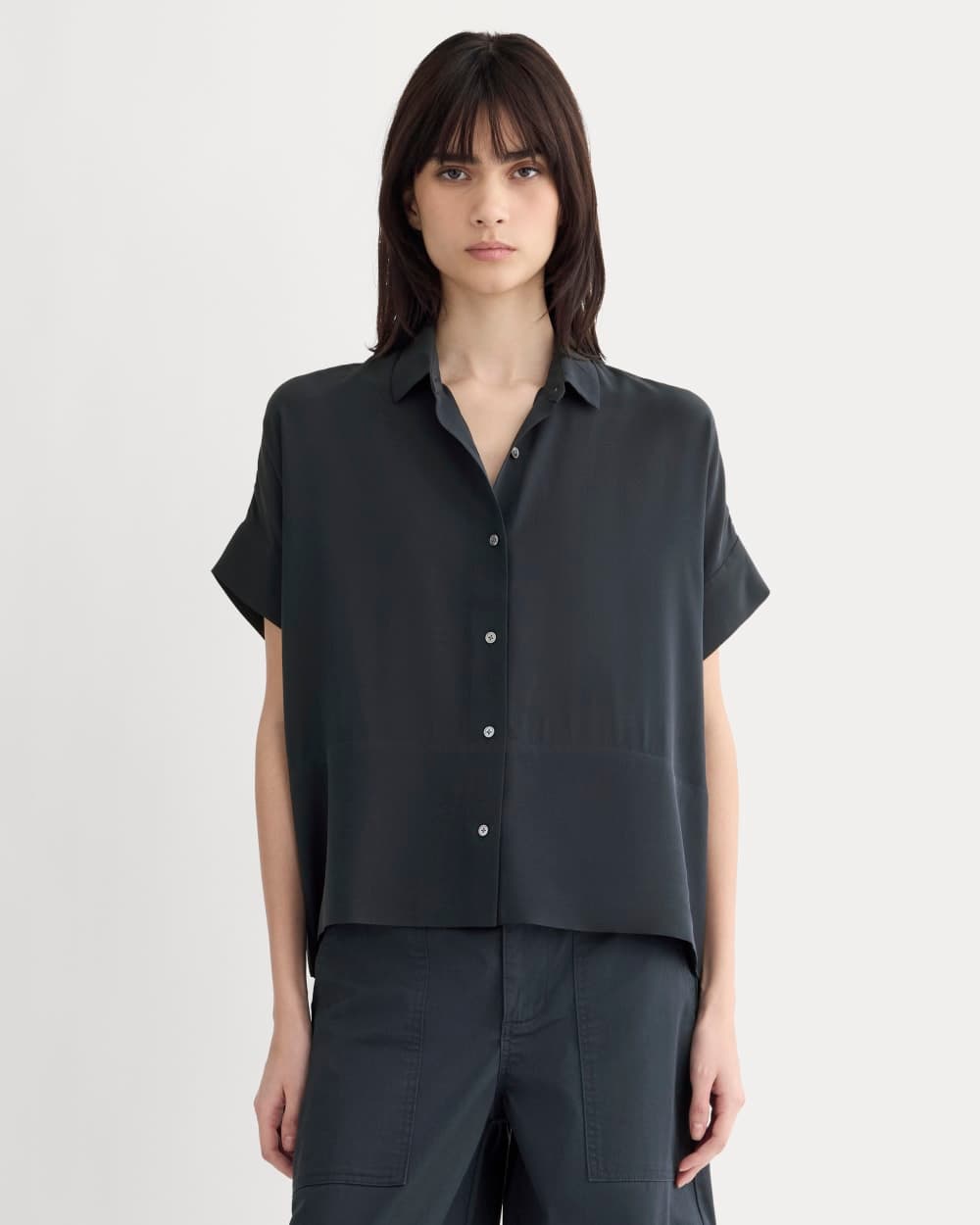
Brand: Everlane
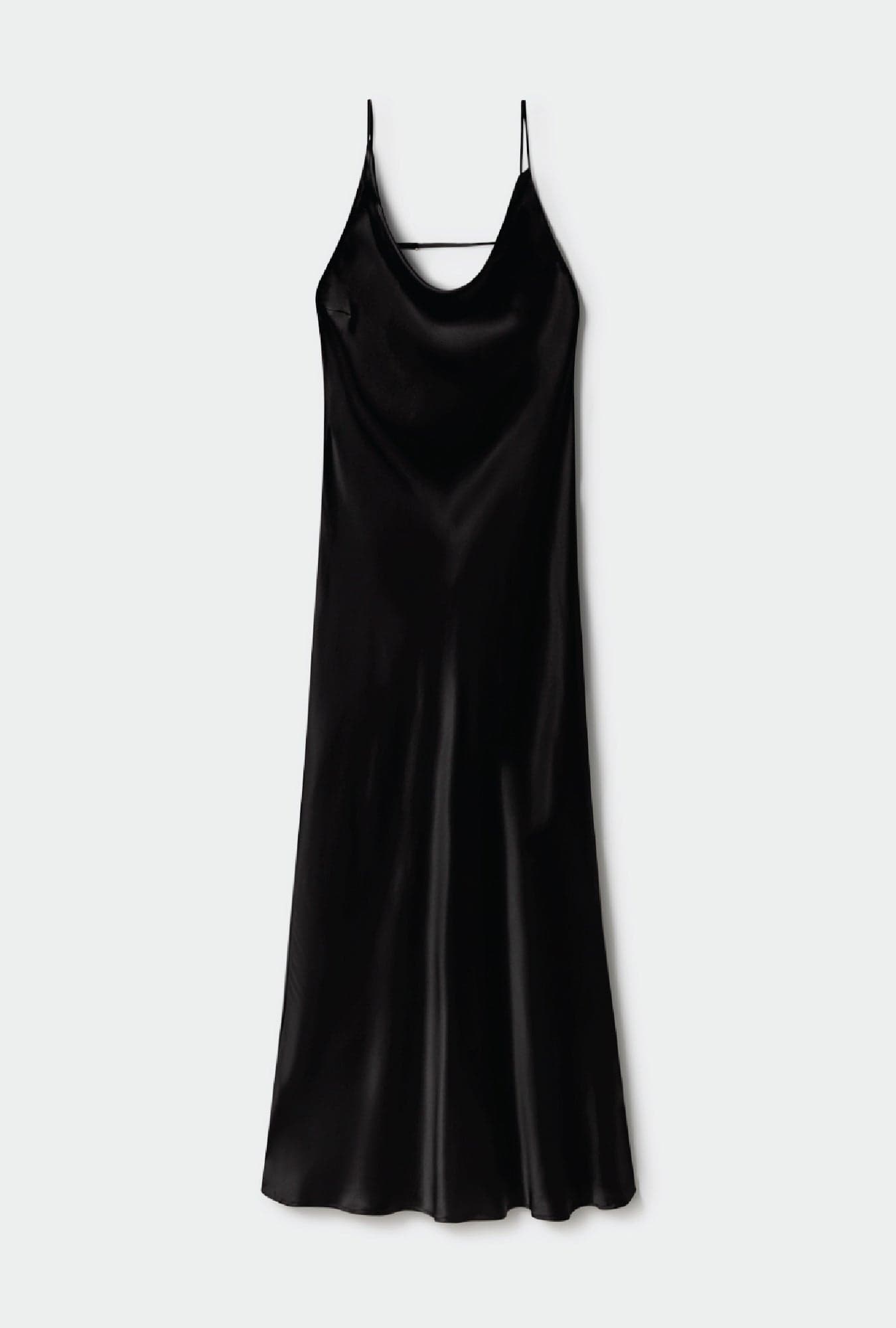
Brand: Silk Laundry
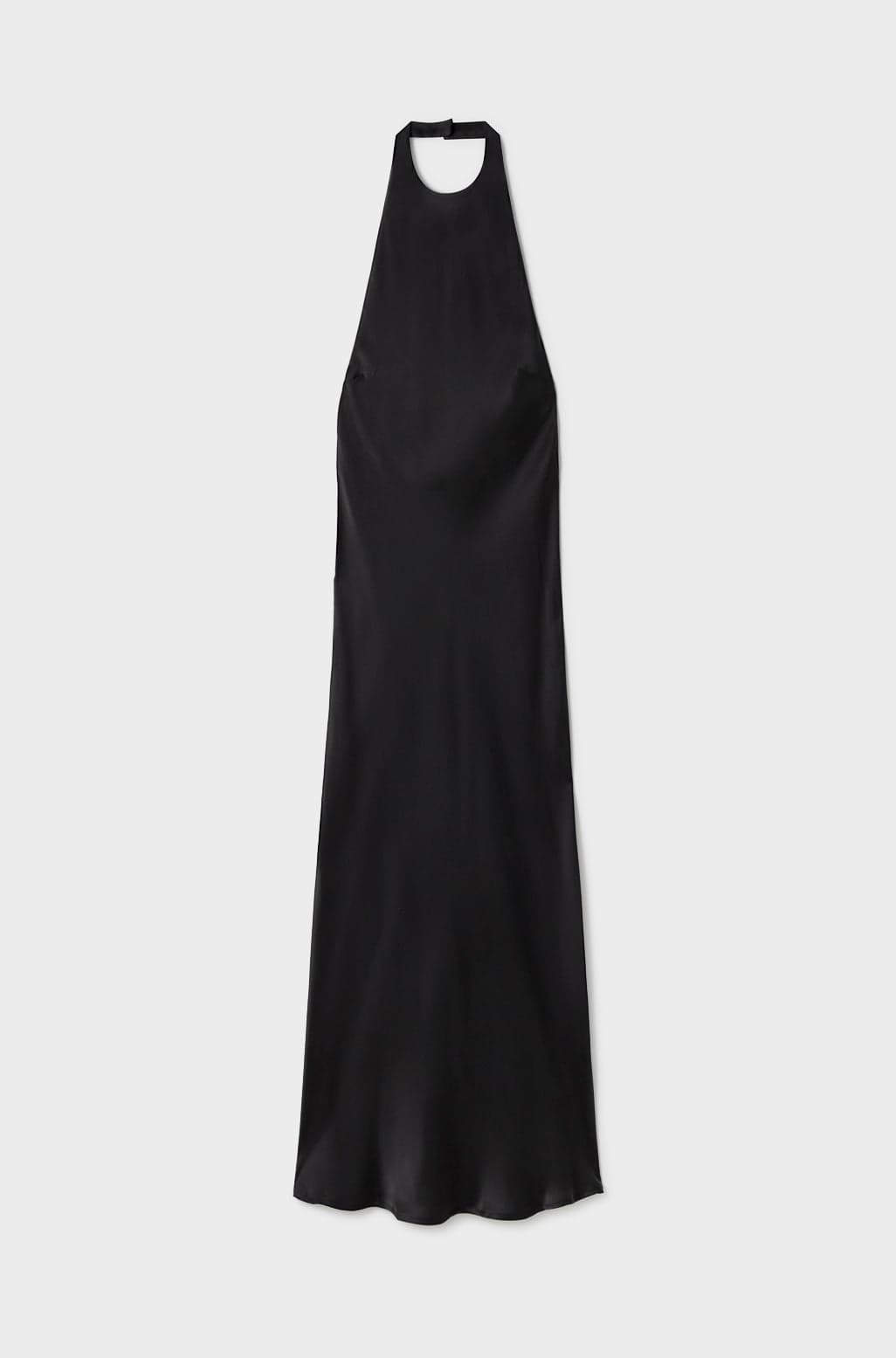
Brand: Silk Laundry
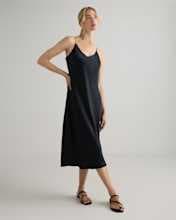
Brand: Quince
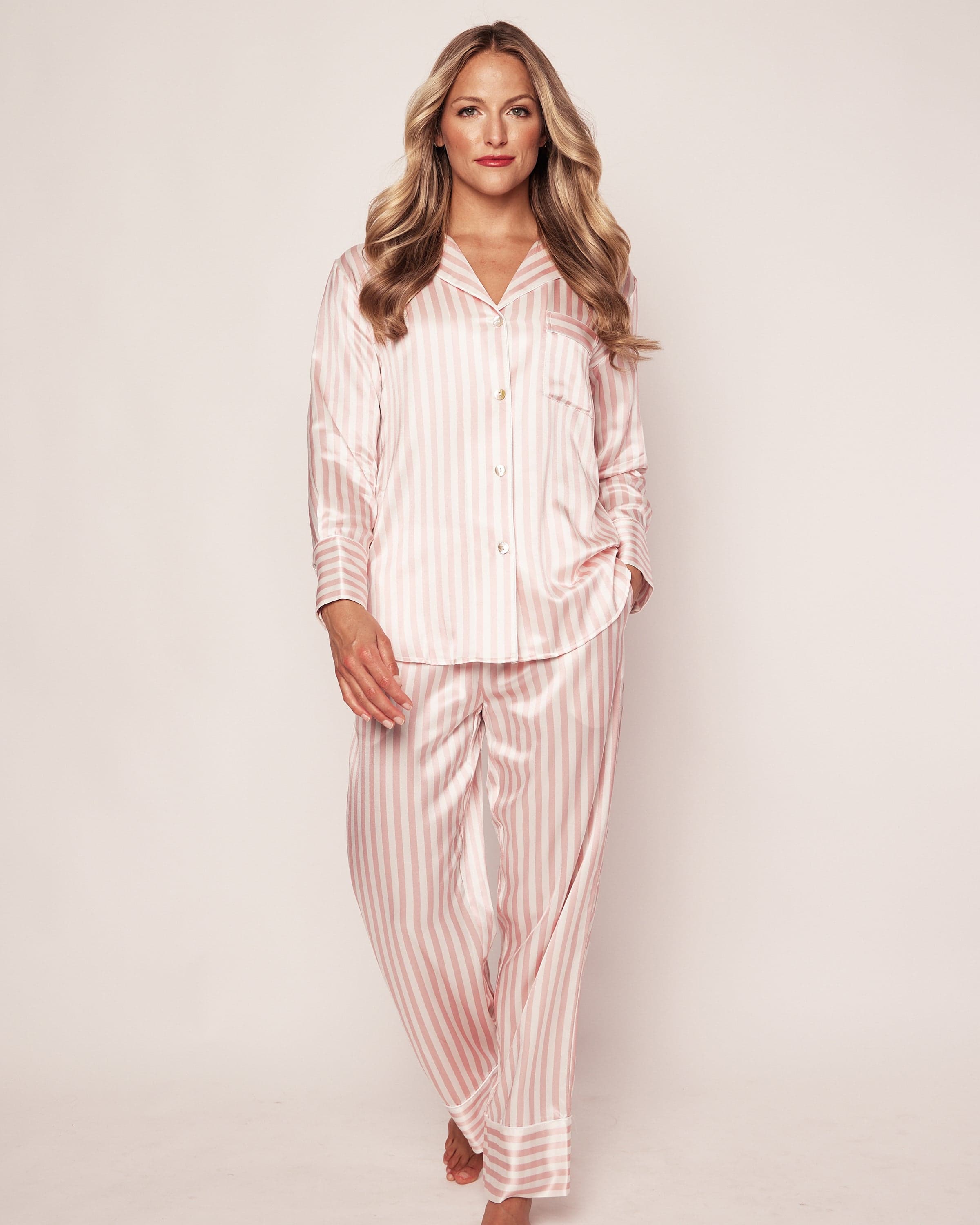
Brand: Petite Plume
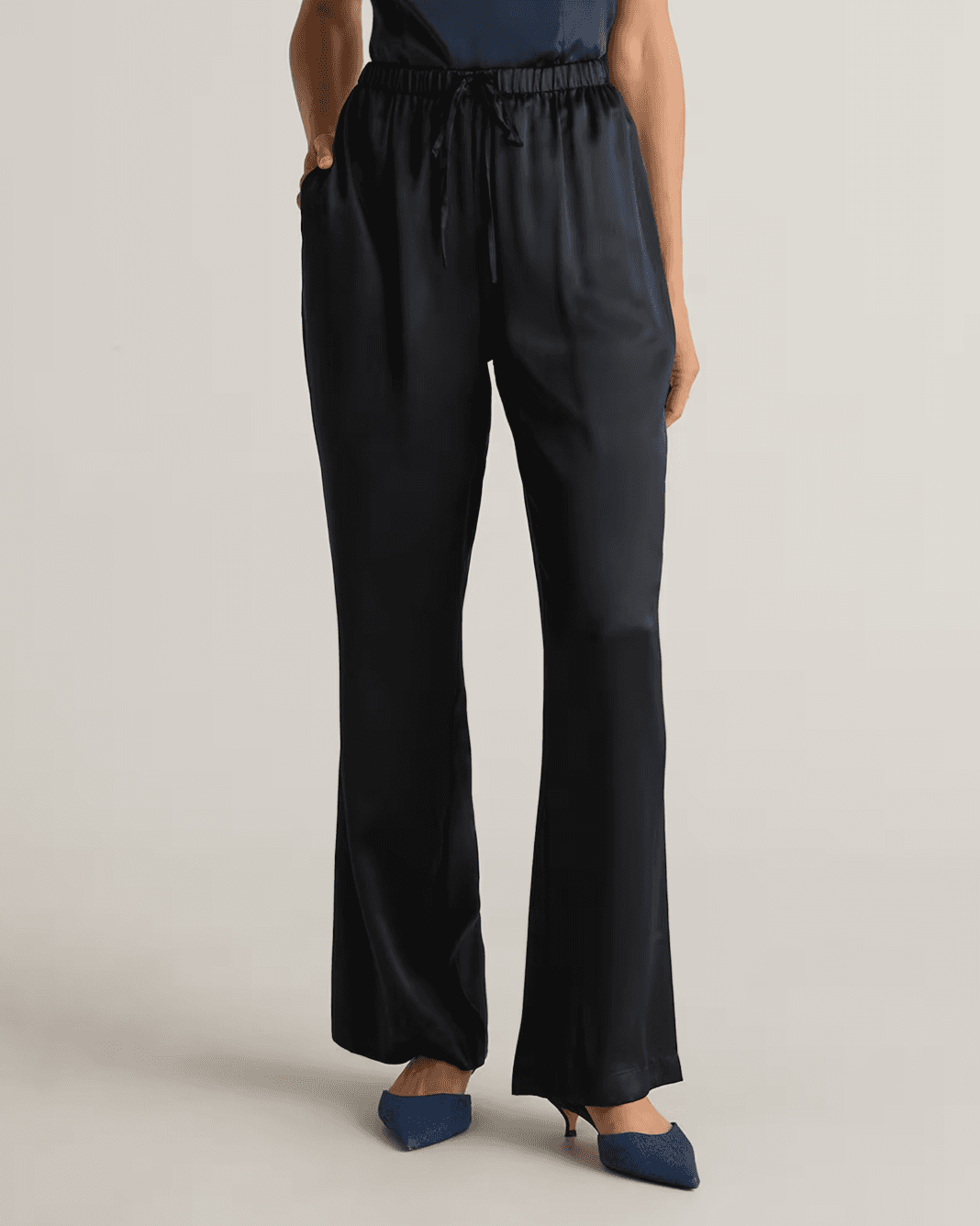
Brand: Quince
Brand: Quince
Silk is on the look-for or watch-out list for these categories. Each guide ranks scored products and explains what the fiber label can tell you.
Silk has no listed microplastic polymer in MaterialsDB. Garment construction and washing can still release fibers.
Silk has no half-life penalty in MaterialsDB, which is a better biodegradability signal than petroleum-based synthetics.
Use the Greener Closet material-label checker with the full percentage label, because blends can change the final score even when Silk is only one part of the garment.