
What Is Cupro? A Health-First Analysis

You may have felt cupro without realizing it. It’s the fabric that gives a high-end jacket its silky, smooth lining or a blouse its elegant drape. Often marketed as 'vegan silk,' cupro starts as a waste product from the cotton industry. This guide explains what it is and, more importantly, the tradeoffs that matter for your health.
What People Commonly Assume About Cupro
It’s easy to see why people think cupro is a straightforward natural fabric. The term "vegan silk" suggests a simple, plant-based alternative, and its origin is cotton linter—the fuzzy fibers left on the cottonseed. That sounds about as natural as you can get.
But this assumption misses the most critical step: the manufacturing. Cupro is a regenerated cellulose fabric. It doesn't exist in nature. It’s created by dissolving plant matter in a chemical solution and then reforming it into new fibers. This process is what we need to examine.
The Tradeoffs of Cupro
Understanding cupro means looking at both its skin-level benefits and its chemical origins. Context matters, and the choice is rarely a simple "good" or "bad."
Here are the tradeoffs to consider when deciding if cupro is right for you.
-
Benefit: Superior comfort. Cupro is exceptionally breathable and manages moisture well, pulling it away from your skin. Its fibers are round and smooth, reducing friction that can irritate sensitive skin. This makes it an excellent choice for a blouse or dress you wear all day.
-
Benefit: Biodegradable. Since it's made from vegetable cellulose, cupro biodegrades at the end of its life. Unlike polyester or nylon, it sheds zero microplastics when washed.
-
Concern: Chemical processing. To create cupro, the cotton linter is dissolved in a cuprammonium solution—a mix of copper and ammonia. If production doesn’t happen in a closed-loop system where these chemicals are captured and reused, they can be released into the environment.
-
Uncertainty: Potential residues. The central health question is whether chemical residues from manufacturing remain on the final fabric. While modern, certified processes include rigorous rinsing and neutralization steps, this is difficult for a consumer to verify without brand transparency. One poorly managed factory can turn a brilliant textile innovation into a source of toxic runoff.
This is where the tradeoff becomes less obvious. A cupro garment from a certified, transparent manufacturer offers significant skin-level benefits with minimal environmental cost. The same garment from an unknown source carries a higher degree of uncertainty.

How Cupro Compares to Other Fabrics
Seeing how cupro stacks up against common materials puts its properties into a practical, everyday context.
| Fabric | Source Material | Key Health Consideration | Feel & Performance |
|---|---|---|---|
| Cupro | Cotton Linter | Potential chemical residue; minimized in closed-loop systems. | Silky, highly breathable, excellent moisture-wicking. |
| Silk | Silkworm Cocoon | Often treated with harsh dyes and finishes. | Smooth and strong but can feel clammy when wet. |
| Viscose | Wood Pulp | Traditional production uses toxic carbon disulfide. | Soft and breathable but less durable and silky than cupro. |
| TENCEL™ Lyocell | Wood Pulp | Made in a closed-loop process with a non-toxic solvent. | Extremely soft, cool, and excellent at moisture management. |
| Polyester | Petroleum (Plastic) | Traps moisture, promoting odor; sheds microplastics. | Not breathable, feels synthetic, can get clammy. |
Cupro is part of a family of textiles known as regenerated cellulose fibers. While global fiber production hit 132 million tonnes in 2026, the growth of cellulosics offers a critical alternative to synthetics. According to the Textile Exchange's annual market analysis, 66% of man-made cellulosic fibers came from certified sources in 2026, a positive trend.
What to Look for on Product Pages
Because manufacturing is the key variable, you need to look for proof of responsible production. Vague claims like "vegan silk" are not enough.
Here is what provides a higher degree of confidence.
-
Bemberg™ by Asahi Kasei: This is the most trusted brand of cupro. It is manufactured in Japan using a verified closed-loop system that recycles nearly all its chemical inputs and water.
-
OEKO-TEX STANDARD 100: This certification tests the final textile for a list of harmful substances. It’s a good signal that the product is safer for what touches your skin.
-
Supply Chain Transparency: Brands that source responsibly are usually proud to share the details. If a product page is silent on where its cupro comes from, that silence is informative.
Think of choosing a camisole to wear under a scratchy sweater all day. A camisole made from Bemberg™ cupro provides a verified, silky-smooth barrier. An uncertified one leaves you guessing.

Key Takeaways
-
Cupro is a semi-synthetic fabric made by regenerating cellulose from cotton linter, a waste product.
-
Its primary health benefits are excellent breathability, moisture management, and a smooth feel ideal for sensitive skin. It does not shed microplastics.
-
The main potential concern is the chemical process used in manufacturing. Its safety hinges on whether it's made in a modern, closed-loop system.
-
Look for certifications like OEKO-TEX and trusted brand names like Bemberg™ to ensure responsible production.
Limitations & Uncertainty
This analysis is based on publicly available data and certifications. We have not performed independent lab testing on specific cupro garments. Retailer disclosure about sourcing is often incomplete, making it difficult to verify the production methods for every product. Research on the health impacts of textile finishes is still evolving, and individual sensitivity to fabrics varies. More data can be found in this detailed fiber market overview.
Making an informed decision depends on knowing the tradeoffs. For those with skin sensitivities, exploring our guide to the best fabrics for sensitive skin may provide additional context.
Top-rated products on Greener Closet
See all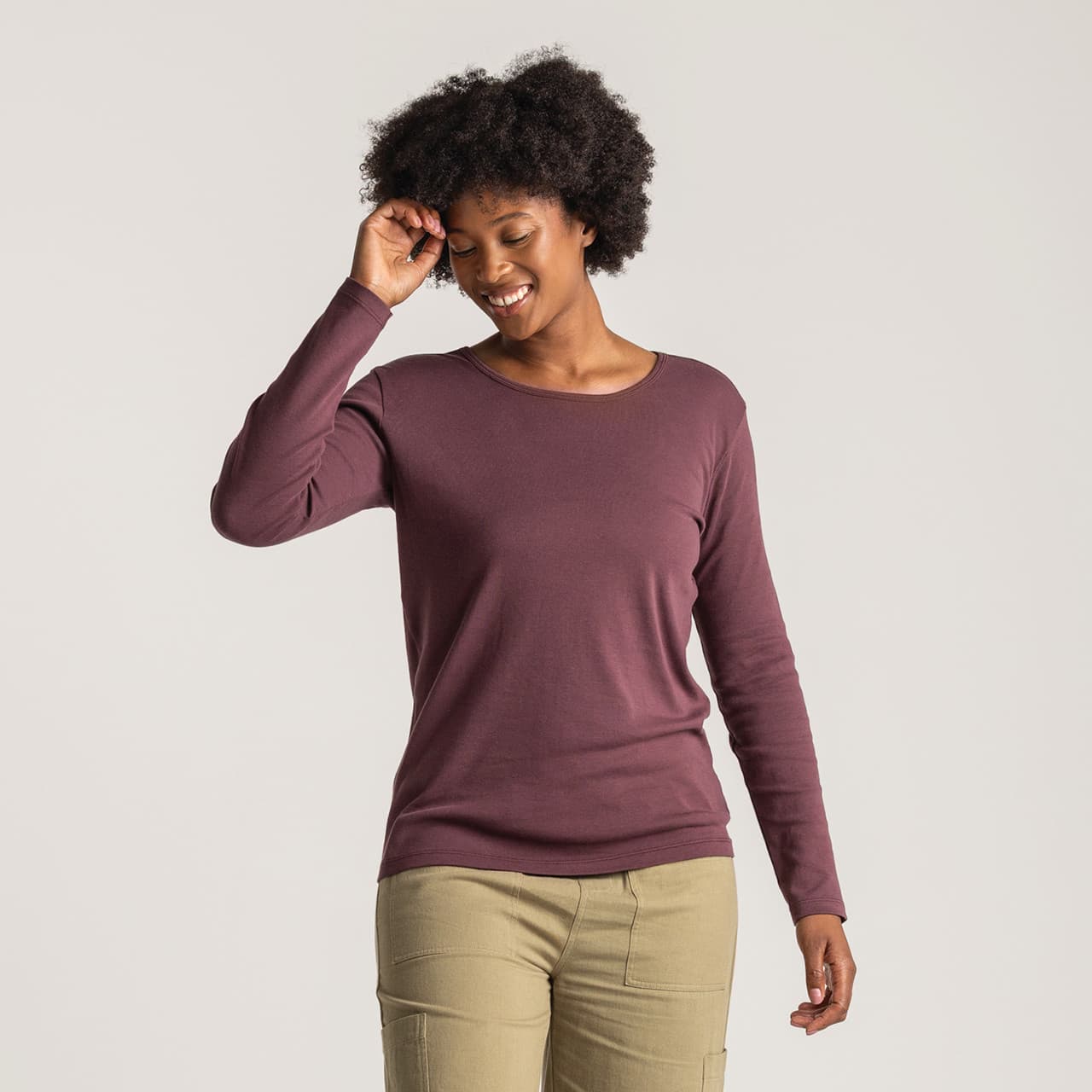
100% Regenerative Organic Certified® Cotton - Layering Tee
Brand: Maggie's Organics
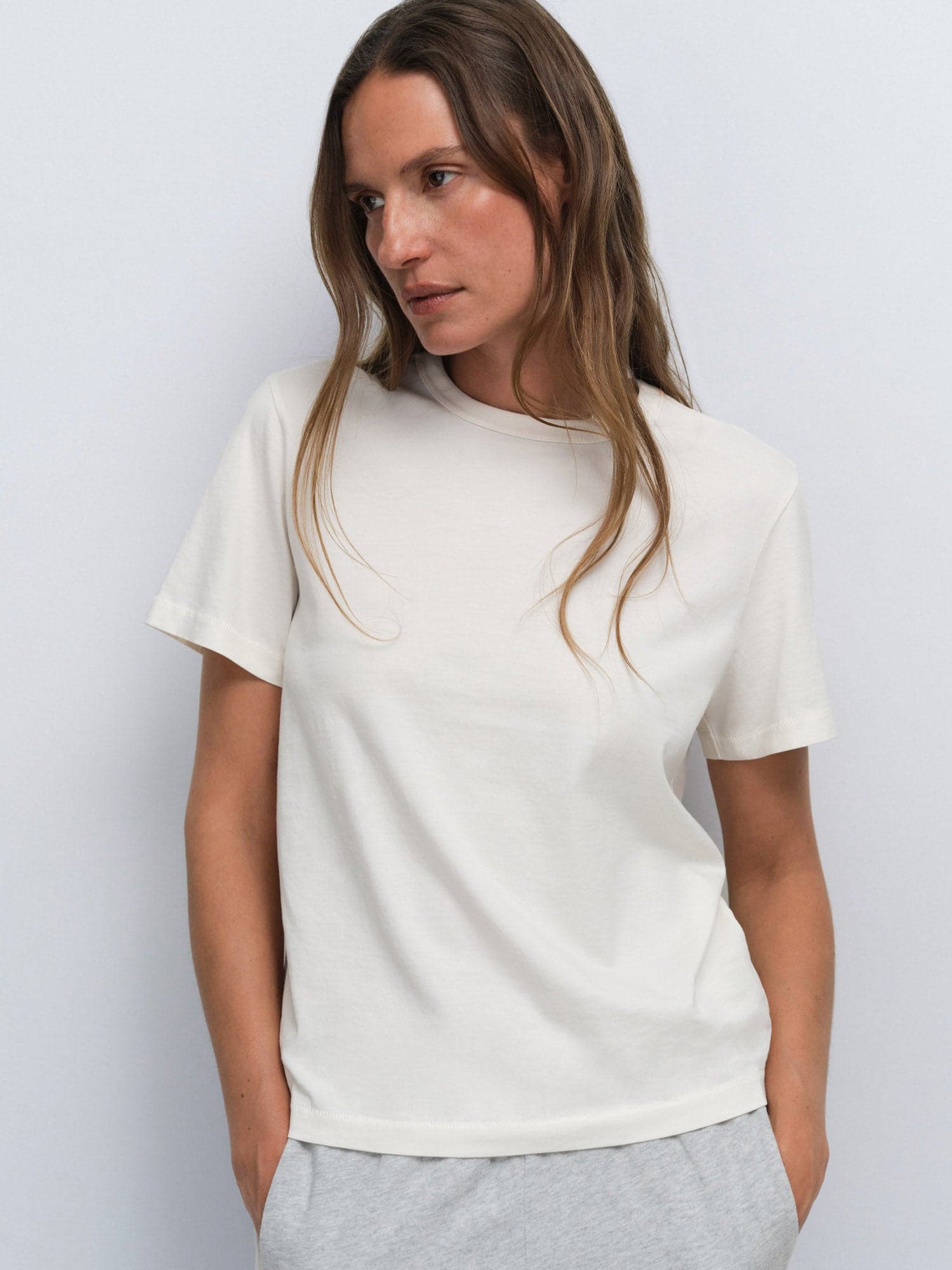
Organic Pima Classic Tee
Brand: Mate
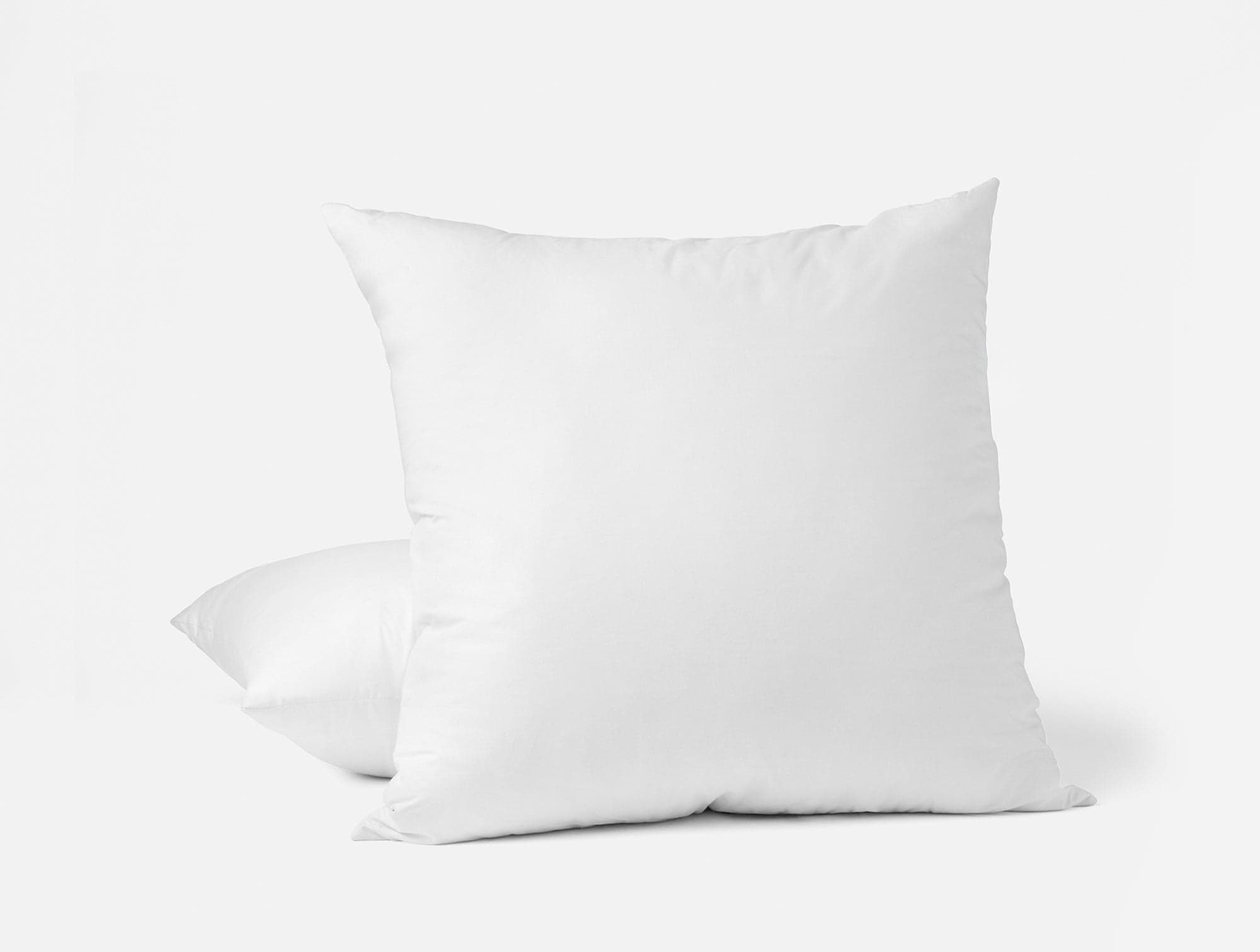
Recycled Down Feather Throw Pillow Insert
Brand: Coyuchi

Midi linen skirt Abbie / Soft linen skirt / Platinum grey
Brand: Wavy Linen