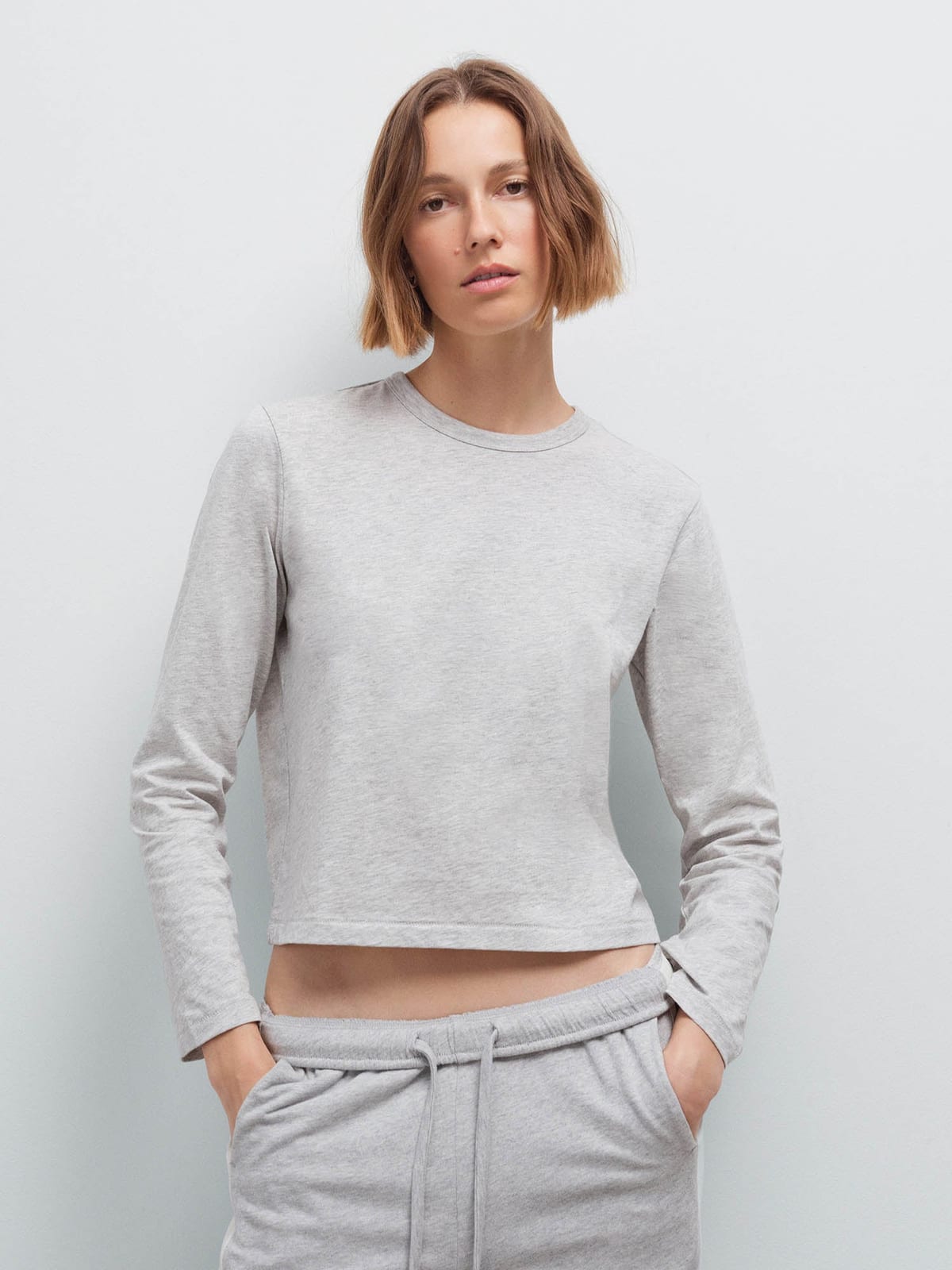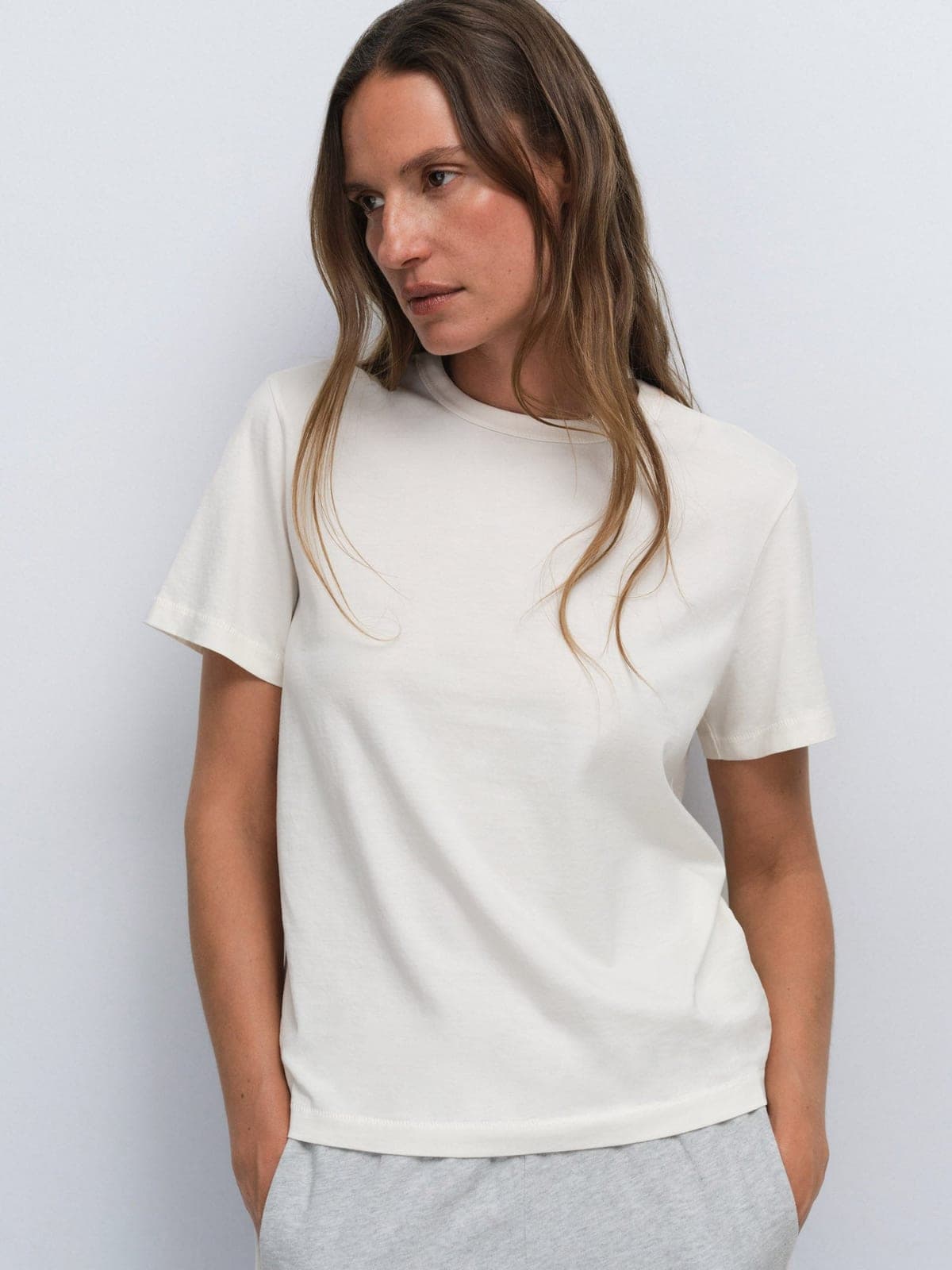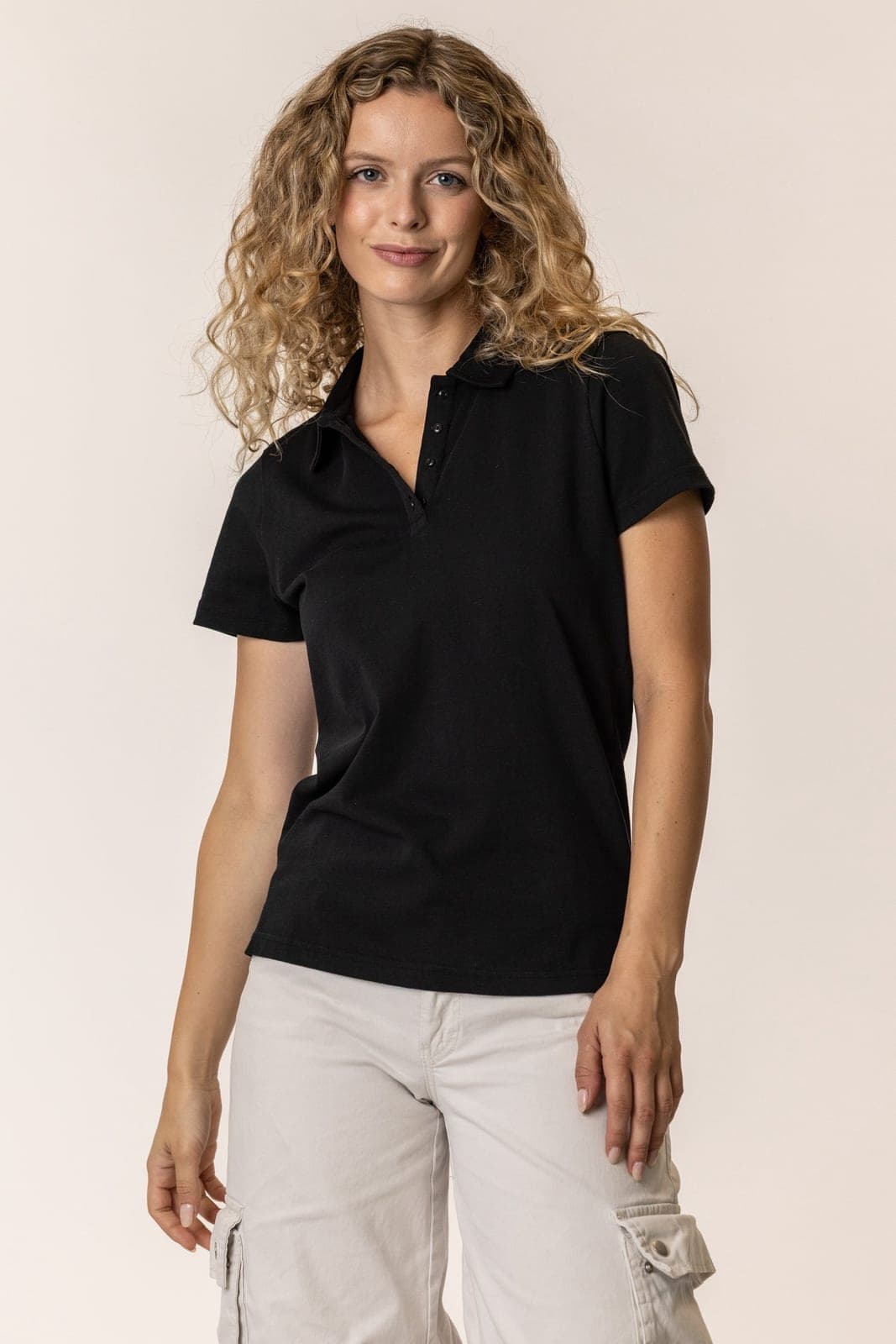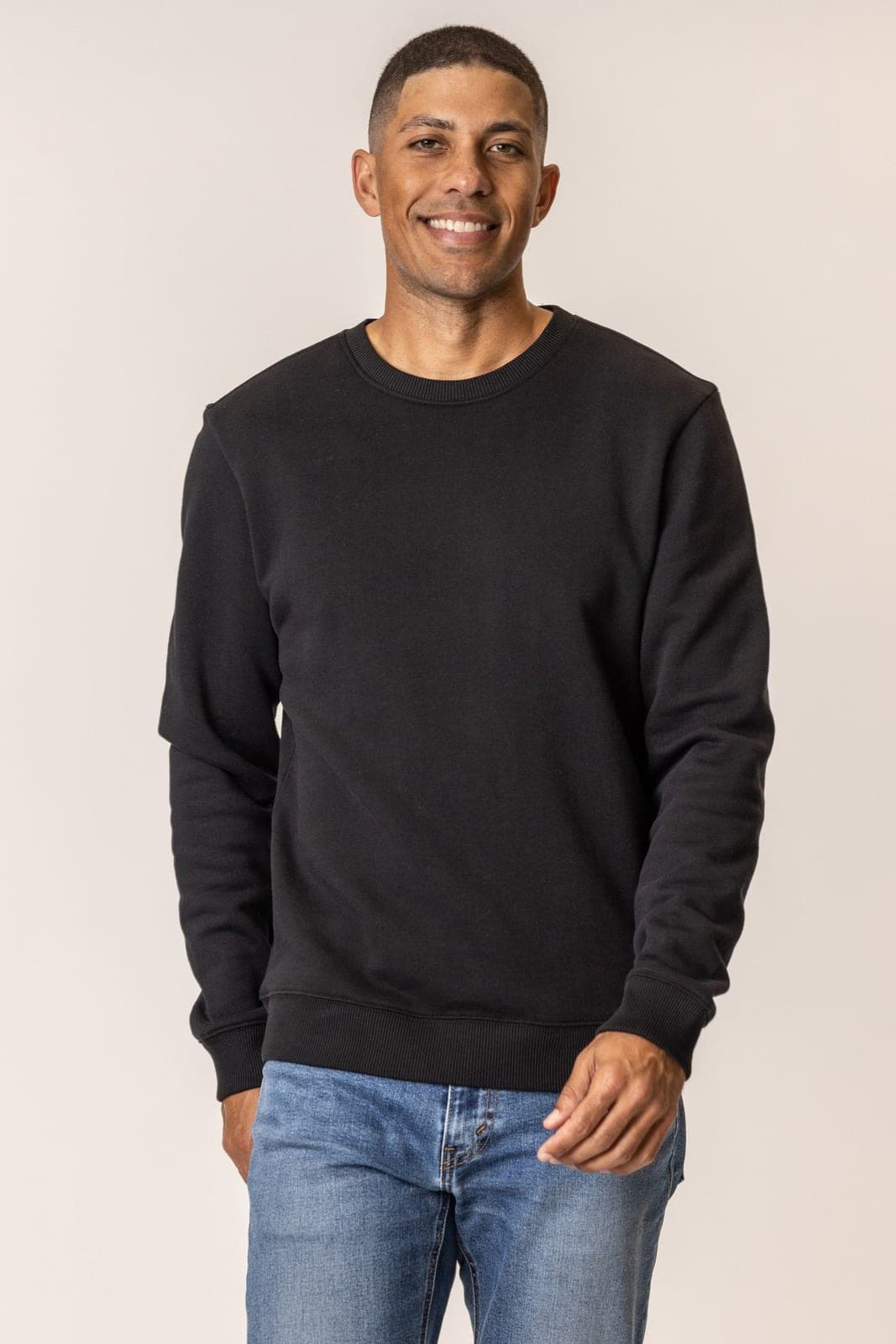
What Is Pima Cotton? Pima vs Supima, Egyptian Cotton and Regular Cotton
Pima is extra-long staple cotton, about 3% of the US crop, and it gets mislabeled a lot. What Pima cotton is, Pima vs Supima and Egyptian cotton, and how to read a Pima label.
Organization-authored. Editorial policy · Report an error
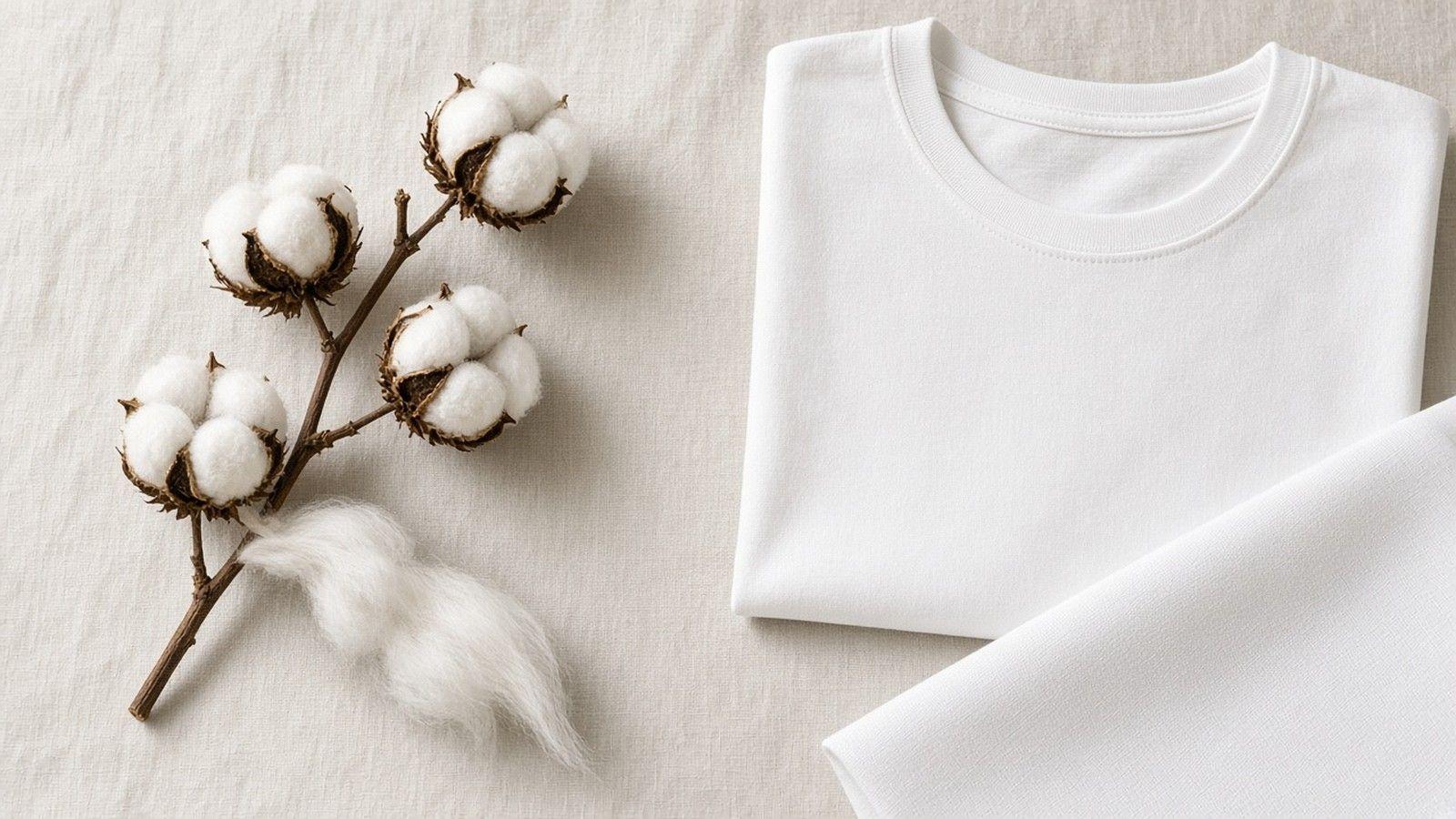
According to Applied DNA Sciences, a forensic science company cited by Bloomberg, 83 percent of tested products labeled "100% Pima" were partly or entirely made of another type of cotton. Buhler Quality Yarns, which calls itself the largest licensed Supima spinner in the US, repeated that figure in a 2017 release published by Textile World (Textile World).
So it's worth knowing what the word on the tag should mean before you pay extra for it: what Pima cotton actually is, how it compares with regular cotton, where Supima and Egyptian cotton fit, and what an honest Pima label has to say.
What is Pima cotton?
Pima cotton is extra-long staple (ELS) cotton from the plant Gossypium barbadense (USDA ARS). Staple length is how long the individual cotton fibers are, and the International Cotton Advisory Committee counts cotton as ELS when that length is 1-3/8 inches or more (USDA ERS, The Cotton Industry in the United States).
Upland cotton, Gossypium hirsutum, is a different species (USDA ERS), and it's most of what the US grows: USDA's November 2026 forecast puts upland at 12.8 million bales and American Pima at 381,000 bales, out of 13.2 million bales of all US cotton, so Pima works out to about 3 percent of the crop (USDA NASS Crop Production, Nov 10, 2026). California grows most American Pima (290,000 of the 381,000 bales in that forecast), with the rest in Arizona, New Mexico and Texas.
Buhler says American ELS cotton used to be called "American-Egyptian" and was renamed Pima in 1910 to honor the Pima people, who grew the cotton for USDA when the federal government began a breeding program for ELS cotton (Textile World).
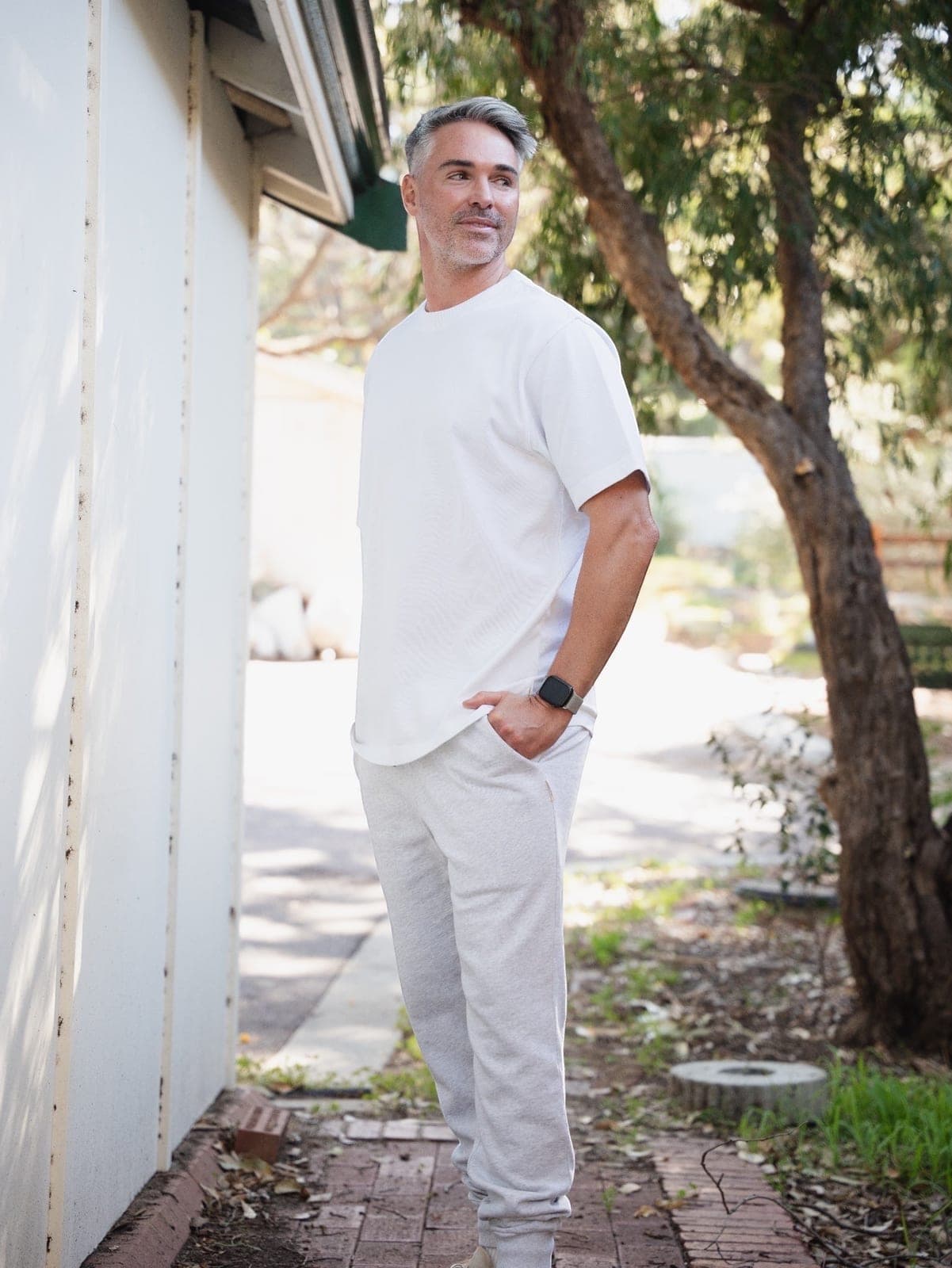
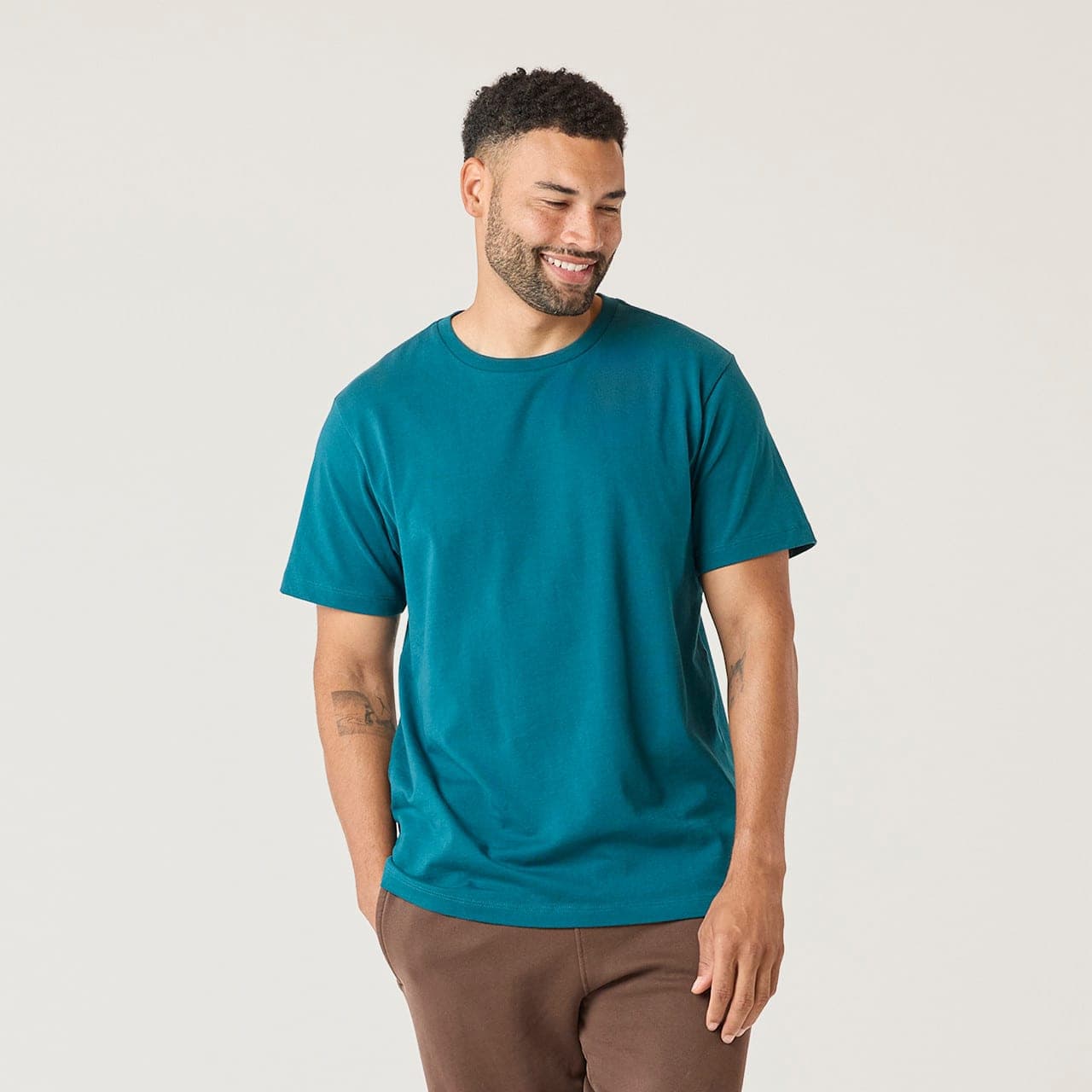
Highest-scoring cotton clothes we've scored
See all cotton clothes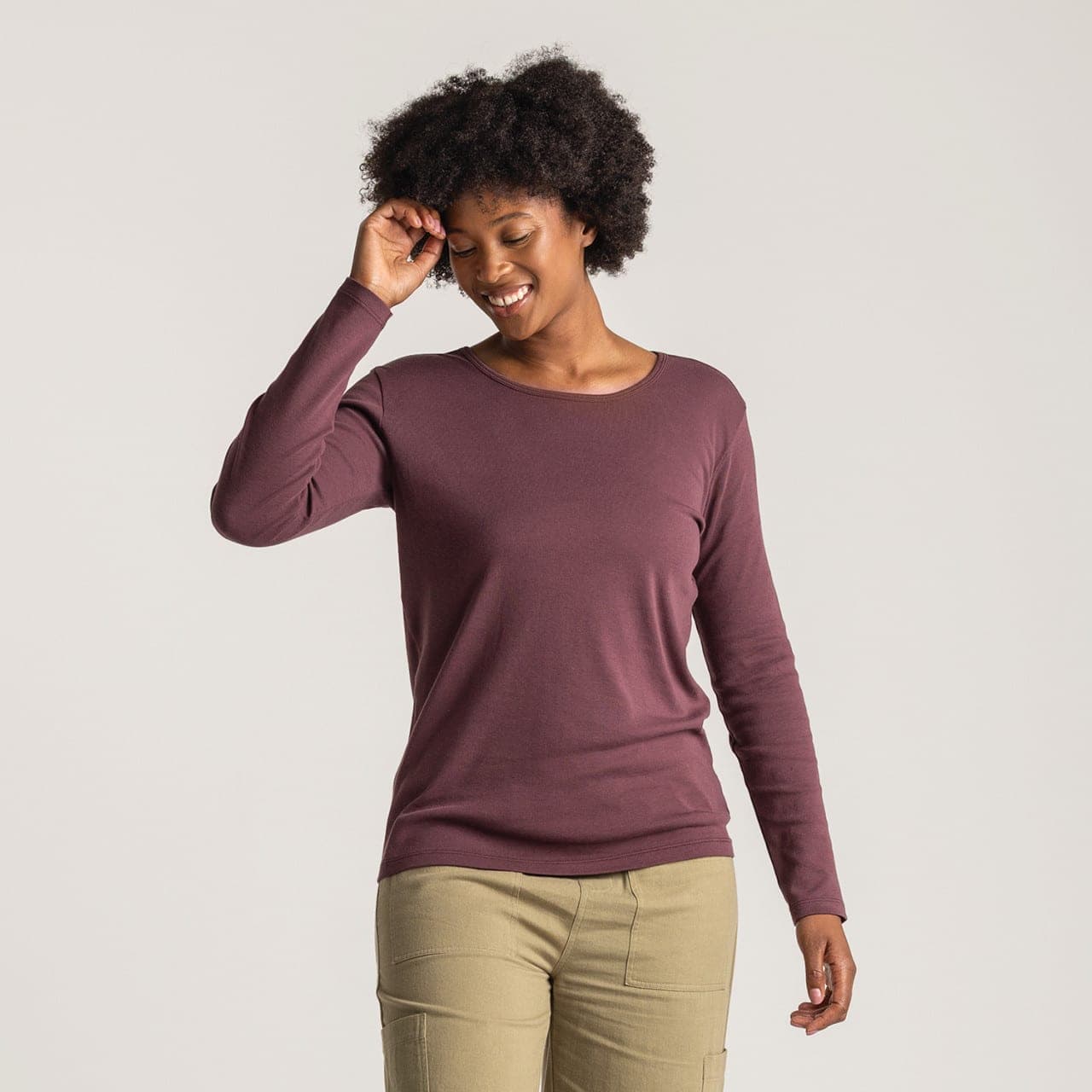

Pima cotton vs regular cotton
The difference is in the fiber. USDA's economists describe ELS cotton as fine and strong, which makes for finer and stronger yarns (USDA ERS), and USDA's research magazine credits Pima's extra-long fibers with giving fabric "a satiny look and touch" (USDA ARS). Buhler, the Supima spinner, goes further and says Supima's stronger yarn lets fabric be made lighter and softer, and that finer fibers, together with their length and strength, mean less pilling and deeper color (Textile World). That's an industry source with a stake in the answer, so we'd treat it as a claim rather than a test result.
What Pima doesn't change:
- It's still cotton. If you're worried about a tee getting smaller in the wash, our shrinkage guide covers cotton too.
- It says nothing about farming. "Pima" is a type of cotton plant, while "organic" is a claim about how it was grown, so a shirt can be Pima and organic, or just one of them. Certification details are in our post on GOTS-certified brands vs GOTS-certified products.
- It says nothing about dyes or finishes. The fiber name tells you what the yarn started as, not what was applied to the fabric afterward.
Pima usually costs more, so whether it's worth it comes down to how the fabric feels to you, and if you can touch it in a store before you buy, do.
What is Supima cotton?
Supima is a trademark, not a separate plant. It's controlled by a nonprofit of the same name, founded in 1954, and only licensed companies can use the word. Buhler says only Supima cotton is guaranteed to be 100 percent American Pima (Textile World).
So all Supima is Pima, but not all Pima is Supima. Buhler says "Pima" generally covers ELS cotton grown in the US, Peru, Israel and Australia, and that cotton can be sold as Pima without the Supima name.
Oritain, a forensic testing company, says Supima represents 500 growers of US Pima in California, Arizona, New Mexico and Texas, and that Supima began working with it in 2018 to test samples from across the supply chain and verify where the cotton came from (Oritain). That doesn't guarantee every Supima product, but it does mean someone is checking.
Egyptian cotton vs Pima cotton
Egyptian cotton means cotton grown in Egypt. It's meant to be a similar high-quality ELS cotton, but Buhler points out that much of the cotton grown in Egypt is long staple rather than extra-long staple (Textile World). So "Egyptian cotton" on a label tells you where the cotton is supposed to come from, and not much about the fiber length.
It's also a label that gets faked a lot. In March 2016 the Cotton Egypt Association said that when it pulled home textiles labeled "Egyptian cotton" off store shelves and had them tested, 90 percent contained none of the fiber at all (Home Textiles Today).
That August, Target said its vendor Welspun had substituted "another type of non-Egyptian cotton" in the Fieldcrest Egyptian cotton 500-thread-count sheets it made for Target between August 2014 and July 2016, and that it was in the process of ending the relationship (Target).
The Egyptian Cotton Association licenses its Egyptian Cotton mark with supply-chain coding, audits and DNA sample testing, and its site lets you check a company or license number against its registry (Egyptian Cotton Association). If a product shows that mark, the registry is the place to confirm it.
How to read a Pima cotton label
The FTC's labeling guide spells this out (FTC, Threading Your Way Through the Labeling Requirements):
- A label can say "100% Pima Cotton" only if the garment is 100 percent Pima cotton fiber.
- If only part of the cotton is Pima and the label uses the word Pima, it has to give the share. "100% Cotton (50% Pima)" and "50% Pima Cotton, 50% Upland Cotton" are both fine.
- "100% Cotton, Pima Blend" with no Pima percentage is not acceptable.
- A hangtag that mentions Pima, or a trademark that suggests Pima, on an item with other fibers in it can skip the fiber breakdown only if it tells you to see the label for the full fiber content.
The guide puts Pima, Egyptian and Sea Island cotton under one heading, so we read those labels the same way.
When you're shopping, check these on the product page:
- A percentage next to the word. "Pima" with a number is a claim the brand can be held to, while "Pima blend" with no number is the wording the FTC calls unacceptable.
- The fiber content, not just the title. Find the fiber line on the listing or the sewn-in label and make sure it agrees with the name in the title. If the trim or lining is a different fiber, our post on what "exclusive of trim" means explains what the label is allowed to leave out.
- A Supima or Egyptian Cotton Association license if you're paying a lot for the name. Those are the two programs we found that test cotton in the supply chain.
If you've got a listing open, paste the link into our fabric checker. We score what the listing discloses, so we can read "100% Pima cotton" off a page, but we can't test the shirt itself.