Organic Cotton Underwear for Women: What Labels Mean and How to Choose
Organization-authored. Editorial policy · Report an error
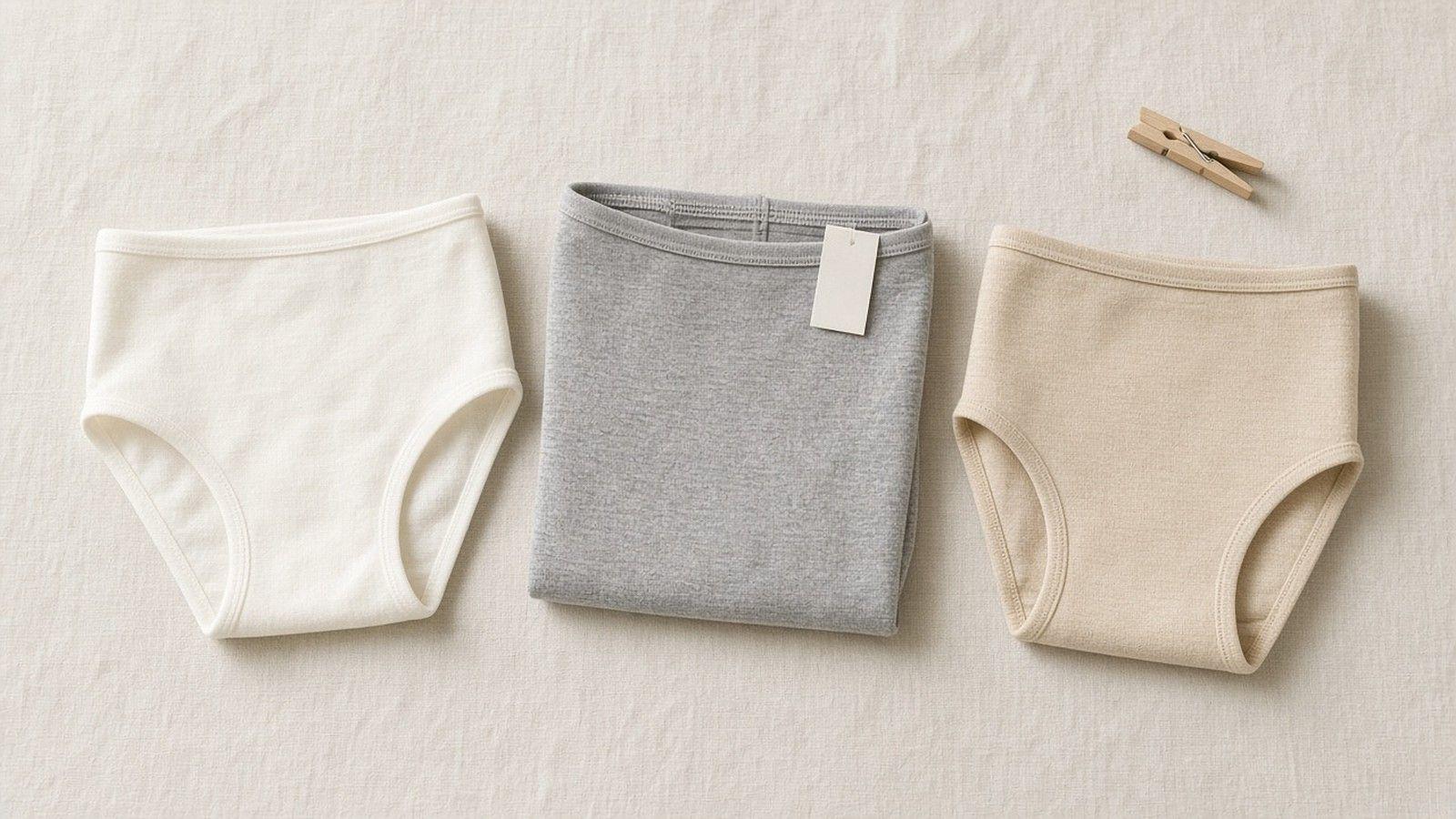
A pair labeled "100% cotton" can still have a synthetic waistband. Under the FTC's textile rules in 16 CFR § 303.12, waistbands and leg bands count as trimmings that don't have to show up in the fiber percentages, and elastic knit into the fabric itself can be left out too, as long as it covers no more than 20% of the garment's surface and the label adds "exclusive of elastic." 16 CFR § 303.27 even uses "All Nylon, Exclusive of Elastic" as one of its examples of how "All" or "100%" works with that exception.
So if you're shopping for organic cotton underwear, the product name alone isn't enough. Read the fiber percentages, check whether elastane (spandex) is blended into the body fabric, look at the waistband and leg elastic, and treat a GOTS product label differently from a loose "organic cotton" claim on a product page.
What does "organic cotton underwear" mean on a label?
"Organic cotton" points at how the cotton was grown. GOTS, the Global Organic Textile Standard, says organic fibres entering a GOTS value chain have to be certified organic to one of the IFOAM Family of Standards, which means they're grown without synthetic pesticides, herbicides or GMOs.
Underwear is a finished garment, not a raw bale, so a pair can use organic cotton and still include other materials:
- Elastane (spandex) blended into the cotton body so briefs and boy shorts stretch and recover. Our post on what elastane is covers the fiber itself.
- Elastic bands at the waist and legs, which GOTS lists as accessories ("edgings, elastic bands and yarns"), and accessories are left out of the fibre percentage that sets a GOTS label grade (GOTS Version 8.1, Sections 2.7.6 and 3.3).
- Thread, labels and other trim, which US rules also let a label leave out of the fiber percentages. We unpack the wording in what "exclusive of trim" means.
"Organic cotton underwear" on a product page is a marketing phrase until you see a clear fiber line with percentages or a real certification mark on the product, so trust the tag and the certificate details over the headline.
Organic cotton vs regular cotton for underwear
Organic cotton is still cotton, and what changes is how it was farmed and certified.
It's also still a small share of the market. Textile Exchange's Materials Market Report 2025 estimates that in 2023/24 about 706 thousand tonnes of cotton were certified to one or more of 15 farm-level organic standards or programs known to be used for cotton, which is about 2.9% of global cotton production.
With that little of it around, an "organic" claim deserves a closer look. That doesn't mean every conventional pair is something you shouldn't wear, and we don't make health promises from a fiber name alone. What you can check is whether the cotton is certified organic, whether the garment was made under a textile standard that covers that claim, and what else is in the blend. For a broader look at organic cotton as a fiber, not just in underwear, see why organic cotton is often chosen for skin-contact clothes.
The organic certificate is about the farm, not the knit, so stretch, opacity and how the waistband sits come down to how the pair is made and how much elastane is in it.
GOTS vs "organic cotton" on a product page
GOTS is a voluntary standard that requires certification at every processing stage, from the organic fibre to the finished product. Per the GOTS labelling rules and Version 8.1 of the standard:
- "Organic" (GOTS label grade): at least 95% certified organic fibres, with accessories left out of that calculation.
- "Made with organic materials": at least 70% certified organic fibres, again leaving out accessories, and every consumer-facing use of this grade has to state the exact organic percentage.
Only a Certified Entity can put GOTS labelling on a product, and every GOTS product label has to show the GOTS logo, the label grade, a reference to the certification body, and the certification number (GOTS labelling).
That's different from a brand saying "we use organic cotton" somewhere on its website. Our post on GOTS-certified brand vs GOTS-certified product walks through how to tell those apart. For underwear, you want the product to be the certified unit, not a vague brand claim.
How much elastane can a GOTS pair have?
If the listing shows elastane in the cotton, GOTS allows that, with limits. In the allowed-fibres table of GOTS Version 8.1 (Section 3.2.10, Table 1):
- Virgin synthetic fibres, elastane (spandex) among them, are allowed up to 10%, on their own or combined with the other virgin synthetics in that row.
- For goods labelled "organic" (the 95% grade), all additional fibres together are capped at 5% (Section 3.2.3). So a 95% organic cotton, 5% elastane brief can sit in the "Organic" grade if the rest of the standard is met.
- For "made with organic" goods, additional fibres can go up to 30% (Section 3.2.4), still subject to the per-fibre caps in Table 1, including the 10% cap on virgin elastane.
Elastic waistbands and leg bands are accessories under Section 3.3, so they aren't part of that percentage math, although they still have to meet the standard's limits on chemical residues. The GOTS implementation manual also says decorative accessories, like lace, can't go over 15% of the product's weight or 40% of its surface. Functional elastic bands sit with the other general accessories, so read the product details if you care what the waistband is made of.
OEKO-TEX STANDARD 100 is not the same as GOTS
OEKO-TEX STANDARD 100 is a label for textiles tested for harmful substances. OEKO-TEX says it covers everything from yarn to finished product, that every thread, button and accessory is tested against a list of more than 1,000 harmful substances, and that the requirements get stricter the more intensive the skin contact. Its Product Class 2 covers products with direct skin contact.
STANDARD 100 is about what's tested in the finished article, not how the cotton was grown, so a conventional cotton brief can carry it if it passes. OEKO-TEX does run a separate label, OEKO-TEX ORGANIC COTTON, for products made of 100% organic cotton (or at least 70% for its "Blended" version), so check which OEKO-TEX label you're looking at. A GOTS product is about certified organic fibre content plus processing and social criteria across the certified supply chain. Both labels can show up on underwear, and they answer different questions:
| If you care about… | Look for… |
|---|---|
| Certified organic cotton content and textile processing | GOTS product label (grade + cert number) |
| Finished-article testing for harmful substances | OEKO-TEX STANDARD 100 label (check it with OEKO-TEX's Label Check) |
| Exact blend in the body fabric | Fiber % line on the tag or listing |
| Waistband / leg elastic | Materials list or product details (the fiber line can leave it out) |
Best cotton underwear for women: a checklist instead of a ranking
We're not ranking brands here, because "best" depends on rise, coverage and how you wash your clothes. Use this checklist on whatever you're comparing.
- Read the fiber line, not the product name. "Organic cotton bikini" with no percentages is incomplete. Look for something like "95% organic cotton, 5% elastane" in the listing and on the physical tag.
- Notice elastane in the body. A few percent is normal for stretch styles, and pairs with no elastane in the body will fit differently.
- Check the materials list for the waistband. Under 16 CFR § 303.12, waistbands and leg bands are trimmings that can be left off the fiber line with no note at all, and "exclusive of elastic" only flags elastic knit into the body fabric, so "100% organic cotton" doesn't tell you what the waistband is made of.
- Prefer a GOTS product mark when you want the organic claim checked through processing. Look at the label grade (Organic or Made with organic) and the certification number, because a brand-only claim is weaker evidence.
- Treat OEKO-TEX STANDARD 100 as harmful-substance testing, not proof of organic cotton. It's useful, but it answers a different question.
- Match the style to how you wear it. More elastane usually means more stretch and recovery, and the seams and gusset fabric matter as much as the farm certificate.
- Check the care label before you buy a stack. It tells you how warm a wash and how much dryer heat the pair, elastic included, is meant to take.
If you're comparing listings online and the fiber content is buried, Greener Closet reads what the listing discloses and scores it while you shop. If the page doesn't say what the underwear is made of, we can't fill that in.
Quick answers
Is organic cotton underwear the same as 100% cotton underwear?
No. Organic refers to how the cotton was grown and certified. "100%" refers to the fiber content of the disclosed fabric, and under US rules it can still leave out elastic or trim.
Can GOTS underwear include spandex?
Yes, within the additional-fibre limits in GOTS Version 8.1: virgin elastane up to 10%, and no more than 5% of all additional fibres combined for the "Organic" grade. Waistband elastic counts as an accessory.
Is OEKO-TEX the same as organic?
STANDARD 100 isn't. It tests for harmful substances from yarn to finished article and doesn't depend on how the cotton was grown. OEKO-TEX ORGANIC COTTON is a separate label that does cover organic content.
What should I trust more, the website headline or the tag?
The fiber percentages and any certification mark tied to that product.