The Healthiest Fabrics to Wear: A Guide to What Touches Your Skin
For most people, the healthiest fabrics to wear are breathable natural fibers: cotton, linen, hemp, silk and fine merino wool. Allergic reactions to the fiber itself are rare, though, and most come from the wrinkle-resistant resins and dyes added during processing, so how a piece is finished matters as much as what it's made of.
Organization-authored. Editorial policy · Report an error
Pick the fiber first, then look at the finish. A plain cotton shirt and a cotton shirt sold as "non-iron" are the same fiber, but the second one has likely been chemically treated to stay smooth, and wrinkle-resistant finishes are where formaldehyde resins show up (DermNet). Start with the clothes that sit against your skin for hours, like underwear, base layers, pajamas and baby clothes: DermNet says clothing rashes show up most often where clothes are in most contact with the skin, and OEKO-TEX sets stricter limits the more intensive the skin contact (OEKO-TEX).
The healthiest fabrics to wear, one by one
Cotton. The American Academy of Dermatology tells people with eczema to wear loose-fitting 100% cotton and to wash new clothes before wearing them (AAD), and a 2020 review of clinical trials found the evidence that cotton and silk improve eczema is mixed, but that both have been shown to be generally safe (Jaros and colleagues). The catch is on the farm. Cotton grows on 2.4% of the world's cultivated land but used 4.7% of the world's pesticides and 10% of its insecticides in 2019, according to International Cotton Advisory Committee figures quoted by PAN UK, which describes the health and environmental harm to the smallholder farmers who grow it. Organic cotton is certified to be grown without synthetic fertilizers or pesticides (Wikipedia), and if that matters to you, our organic cotton guide covers what the claim does and doesn't prove.
Linen and hemp. Both are plant fibers. Linen is made from flax (our linen guide), and hemp comes from the long stem fibers of the cannabis plant, which Healthline describes as durable and breathable, if a bit stiff until it's been washed a few times (Healthline). DermNet, the dermatology reference, names cotton and linen as examples of natural fabrics to wear if clothing bothers your skin (DermNet), and on our label score hemp and linen come out highest of the fabrics here.
Silk. It's soft and smooth, and the AAD even suggests covering seams that irritate your skin with silk (AAD). The same 2020 review that called cotton generally safe said the same of silk.
Fine merino wool. Wool has a reputation for itching, and the AAD still says not to wear wool next to your skin if you have eczema, but the itch comes from thick fibers. A 2017 review found that wool irritates skin when its fibers are around 30 microns across or thicker, and that superfine and ultrafine merino are well tolerated (Zallmann and colleagues). In a small 2017 trial funded by Australian Wool Innovation, 39 young children with mild to moderate eczema had lower eczema scores while wearing superfine merino outfits than while wearing cotton (Su and colleagues). If you're dressing a child with eczema, ask their dermatologist which advice fits them.
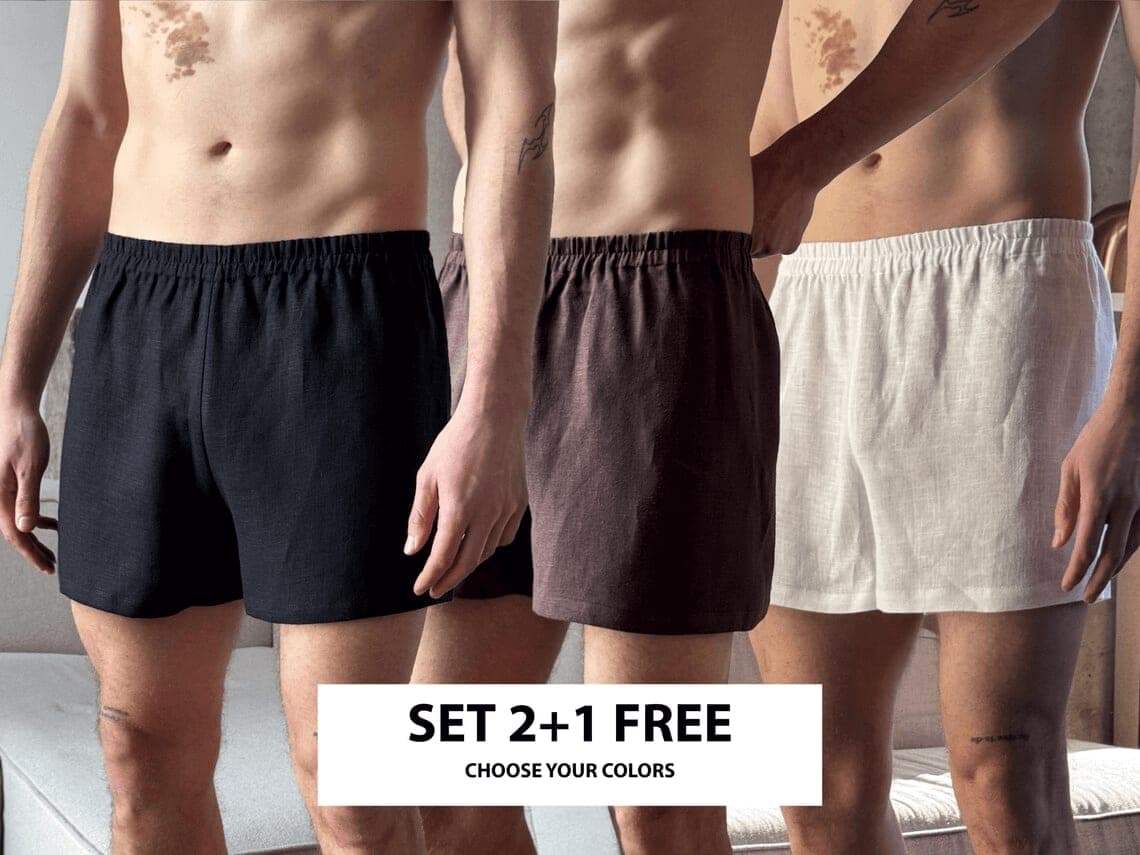
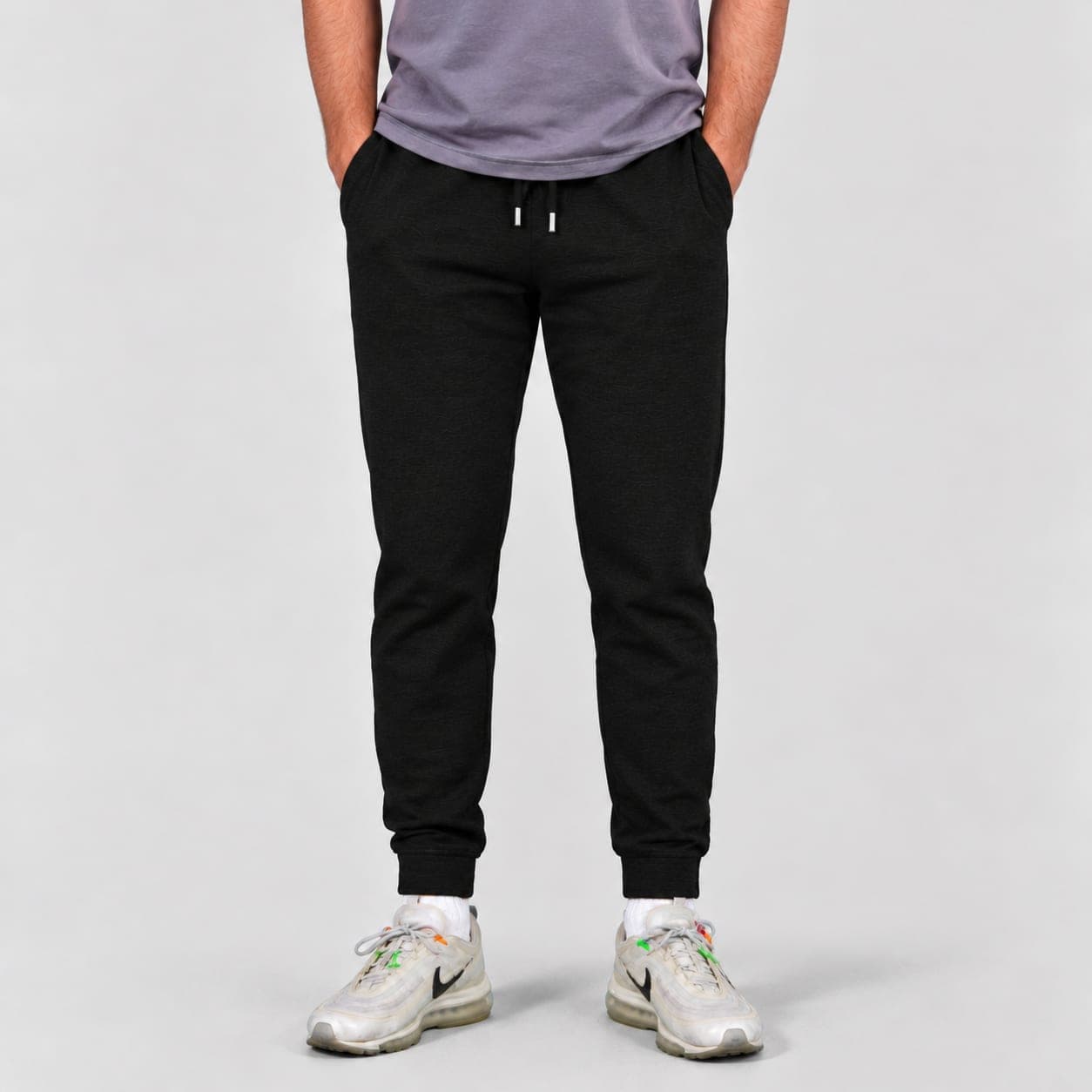
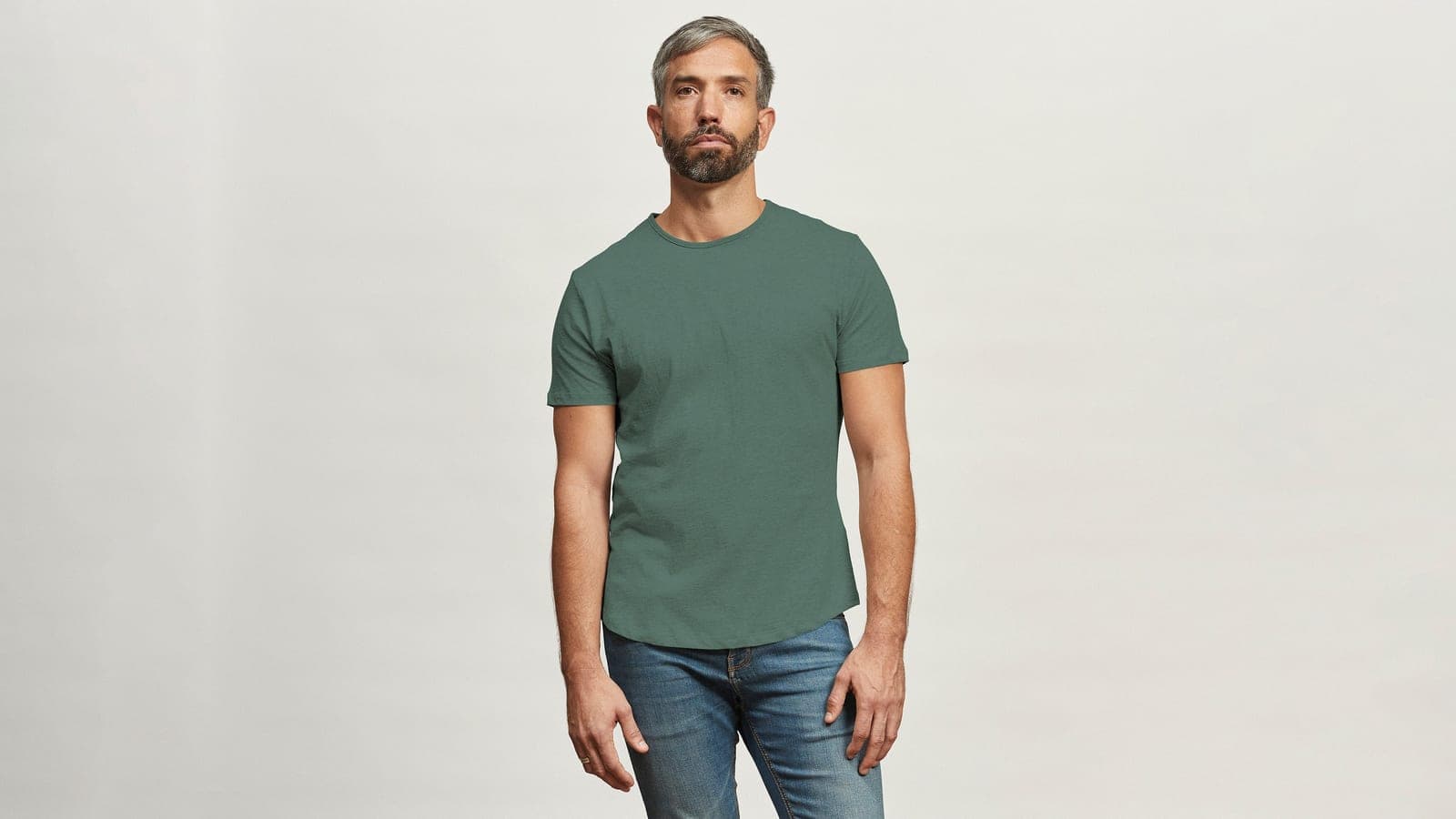
Highest-scoring clothes we've scored
See all top-scoring clothes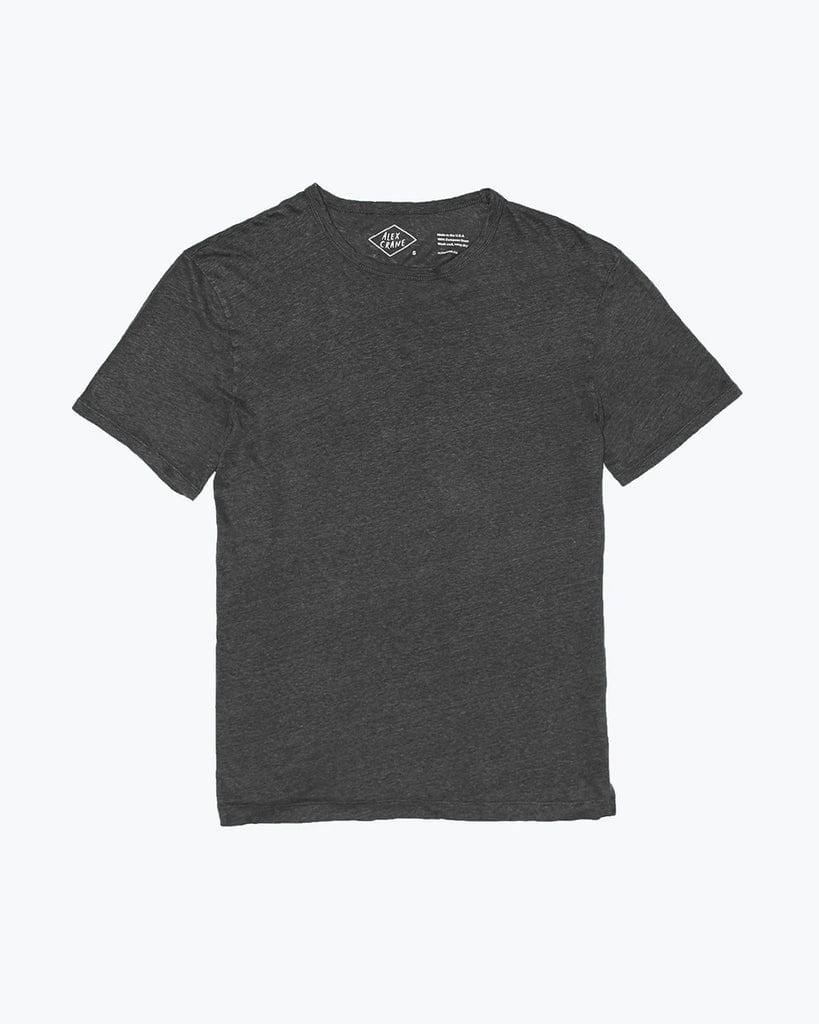
What makes a fabric less healthy
Most allergic skin reactions to clothing come from what gets added to the fiber, and you can't read that off the tag, because clothing isn't labeled with the chemicals it may contain (DermNet).
- Wrinkle-free and dirt-repellent finishes. DermNet lists formaldehyde resins, which are used to make fabric wrinkle-resistant, among the additives behind allergic skin reactions to clothing, and suggests skipping clothes labeled "non-iron" or "dirt-repellent" because they've likely been chemically treated.
- Dyes. Some dyes are loosely bound and can rub off onto your skin. DermNet links certain azo and anthraquinone disperse dyes, and the dye ingredient PPD, to allergic reactions, though it notes those disperse dyes are rarely used in textiles now. Separately, some azo dyes can break down and release a listed group of aromatic amines, and the EU has banned consumer goods that contain those amines since 2003 (Wikipedia). Our azo dye guide goes into which ones.
- Water- and stain-repellent PFAS. The EPA lists stain and water repellents used on clothing among the household sources of PFAS. It says many PFAS break down very slowly and can build up in people over time, and that exposure to certain levels has been linked to effects including higher cholesterol, a weaker vaccine response and some cancers (EPA). For everyday clothes that don't need to shed rain, it's an easy finish to skip, and our guide to avoiding PFAS in clothing shows how to check a listing's claim.
- Synthetic fibers. Polyester, nylon and acrylic are synthetic fibers that shed plastic. Healthline notes that some synthetics cause friction, trap heat and breathe less well, which is hard on sensitive skin, and the AAD tells parents of children with eczema to avoid synthetic fibers like polyester (AAD). In a study of 26 people after a spin class, polyester T-shirts smelled stronger and less pleasant than cotton ones (Callewaert and colleagues). In the wash, researchers estimated that over 700,000 fibers could come out of an average 6 kg load of acrylic (Napper and Thompson). That study measured what goes down the drain, not what reaches the person wearing it.
How these fabrics score on Greener Closet
Our score rates a product's potential health and environmental concerns from the materials its listing discloses. It isn't a lab test or a medical judgment (how we score). Here's how a plain 100% label scores out of 100 when the listing gives no dye or certification information:
- Hemp: 87
- Linen: 85
- Organic cotton: 83
- Merino wool: 83
- Cotton: 81
- Silk: 81
- Nylon: 5
- Polyester: 4
The natural fibers get no microplastic penalty, and polyester and nylon count as microplastic sources. A listing that says its dyes are azo-free or names a certification can score higher, and blends score differently.
What to look for on the label

- GOTS (Global Organic Textile Standard): for cotton, linen, hemp, wool or silk. GOTS covers textiles made with certified organic fibers and sets rules for the chemicals and wastewater used in processing, and every company that handles the product, from fiber processing to the finished piece, has to be certified. It starts where organic farming ends, so the farm is certified separately (GOTS).
- OEKO-TEX STANDARD 100: the item was tested for harmful substances. OEKO-TEX says every thread, button and accessory is tested against a list of over 1,000 substances, with stricter requirements the more closely the item touches your skin (OEKO-TEX). It doesn't tell you how the fiber was grown, and our OEKO-TEX guide explains what else it leaves out.
- "PFAS-free": worth looking for on anything water- or stain-resistant. It's the maker's statement, not a test we ran.
- Undyed or light colors: DermNet points out that light-colored clothes contain less dye, and that a "wash separately" label suggests the dye bleeds.
What we don't know
Because labels don't list processing chemicals, the full recipe of most garments isn't public. People also react differently: anyone can get a rash from clothing, but DermNet says people with eczema or sensitive skin are at greater risk (DermNet), and individual sensitivity varies. The EPA says research is still working out how different levels of PFAS exposure lead to different health effects, and our scores come from what a listing discloses, not from testing a garment.
Quick answers
Is cotton healthy to wear? For most people, yes. It's what the AAD recommends for eczema-prone skin. The pesticide harm PAN UK documents falls on the farmers who grow conventional cotton and the land around them, while the part that touches you is the finish, so skip "non-iron" cotton if your skin reacts to clothes. A GOTS label on organic cotton means certified organic fiber plus rules for the chemicals used in processing.
What are the safest fabrics to wear? No fabric comes with a safety guarantee, but undyed or light-colored natural fibers without a "non-iron" or "dirt-repellent" finish cut down on the dyes and wrinkle-resistant resins DermNet names as the most common causes of allergic skin reactions to clothing.
What's the best fabric for your skin? Cotton and silk are the usual dermatologist picks, and superfine merino did well in a trial with young children. Our guide to the best fabrics for sensitive skin goes further.
Is polyester bad for your health? It's rarely the first pick for sensitive skin: synthetics can trap heat, polyester shirts smelled stronger than cotton in a workout study, and it sheds plastic fibers in the wash. A plain 100% polyester label scores 4 out of 100 on ours.
Shopping for something now? Paste the product link into our fabric checker and we'll score the fiber blend the listing discloses.